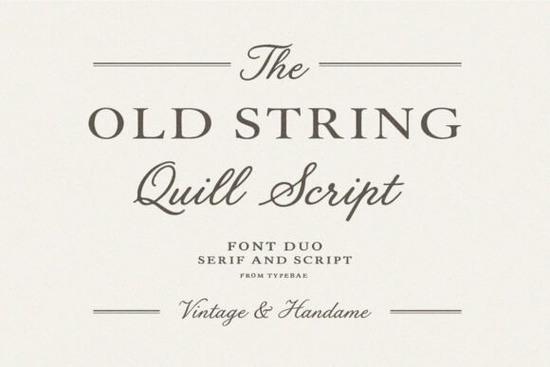
If you are looking for a typeface that blends vintage structure with handwritten warmth, Old String Font delivers exactly that. This duo pairs a refined serif with a flowing quill-style script, giving you two complementary styles in one download. Designers, small business owners, and crafters often choose this kind of pairing because it solves a common layout problem: you get a sturdy foundation for headlines and a graceful accent for short phrases. The result is typography that feels inherited rather than manufactured.
What makes this serif and script combination work so well?
The strength of a font duo lies in contrast. The serif side carries clean strokes and classic proportions that read clearly at small sizes. The script side mimics the natural pressure of a dip pen, with smooth connections that keep it legible. When placed together, the serif grounds the layout while the script adds a personal touch. This works especially well for wedding stationery, boutique branding, and editorial spreads where you want heritage vibes without looking dated. If you enjoy working with traditional letterforms, you might also explore how other serif-based collections handle spacing and x-height to find the right fit.
Which projects get the most value from this typeface?
Not every font fits every medium, but a balanced duo covers a wide range of creative work. Here is where it tends to perform best:
- Wedding and event invitations: Use the serif for names and venue details, then let the script handle dates or short quotes.
- Small business branding: The serif works cleanly on business cards, while the script adds a handwritten feel to packaging labels.
- Print-on-demand products: Mugs, tote bags, and art prints benefit from the clear contrast when you keep the script to one or two words.
- Editorial layouts: Chapter titles and pull quotes stand out without overwhelming body text.
When testing layouts for physical products, remember that fine script details can disappear on textured paper or dark fabrics. Print a quick sample at actual size before finalizing.
How do you pair the two styles without cluttering the design?
The most common mistake with font duos is overusing the script. Treat the handwritten style as an accent, not a replacement for readable text. Set your main message in the serif, then switch to the script for a single line or short tagline. Keep the size difference noticeable but not extreme. A ratio around 1:1.5 usually maintains visual harmony.
Spacing matters just as much as size. Increase the tracking slightly on the serif when it sits in all caps, and leave the script at its default kerning so the connections stay intact. If you want to see how different weights behave in similar layouts, browsing through lighter serif options or softer typeface variations can give you useful reference points for hierarchy.
What should you verify before adding it to your workflow?
Before you commit to any typeface, check the technical details that affect daily use. Make sure the download includes both .OTF and .TTF files, especially if you switch between design software and cutting machines. Verify that the license covers your intended use, whether that is personal crafting, client work, or selling physical products. You can preview the full character set and licensing terms for Old String Font directly on the marketplace. Taking two minutes to review the file contents prevents rework later.
Quick setup checklist for your next project
- Install both font files, then restart your design software to refresh the menu.
- Set your primary headline in the serif first, establish size and spacing, then add the script as an accent.
- Test legibility at 100% zoom and print a draft on your actual material.
- Check contrast ratios if the design will live on a website or digital mockup.
- Save a style preset with your chosen sizes and tracking so future projects stay consistent.
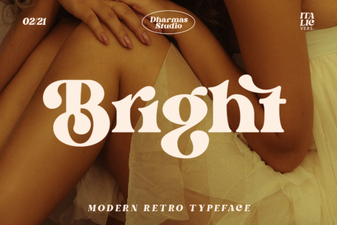 Bright Fonts for Modern, Clear Web Design
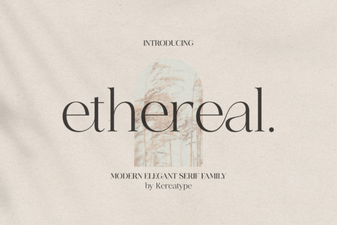 Ethereal Fonts for Creative Design Projects
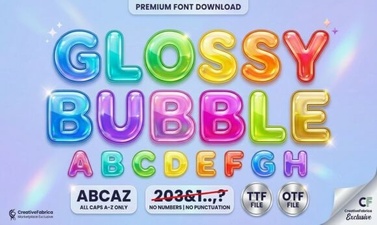 Get Creative with Glossy Bubble Fonts
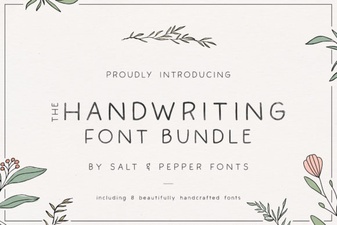 Craft Authentic Projects with Handwriting Fonts
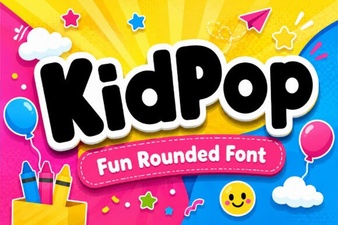 Kidpop Fonts: Playful Designs for Creative Projects
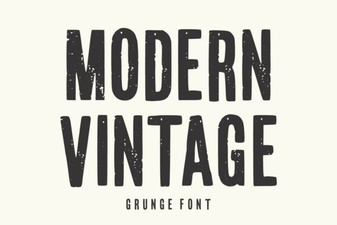 Modern Vintage Fonts for Creative Design Projects