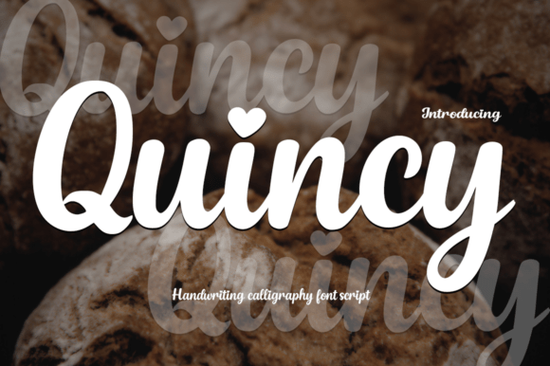
If you need a script typeface that feels both polished and personal, Quincy Font delivers exactly that. It blends smooth calligraphy strokes with a relaxed handwritten rhythm, making it a reliable choice for wedding stationery, boutique branding, and social media graphics. The subtle heart-shaped dots on the lowercase “i” and “j” add quiet warmth without overwhelming your layout. Whether you are designing printable wall art or digital quotes, this typeface keeps your message readable while giving it a distinctly approachable vibe.
What makes this script typeface stand out for everyday design work?
Many modern calligraphy fonts struggle with spacing or become difficult to read at smaller sizes. Quincy avoids those pitfalls by maintaining consistent stroke weight and generous letter spacing. The flowing connections between characters feel natural, which means your text blocks will look clean even when scaled down for product tags. If you have experimented with other handwriting styles like the overthinker typeface or the pink vibes duo collection, you will notice how this design strikes a practical balance between decorative flair and everyday usability. You can also review the full quincy script layout to see how the alternate characters handle longer phrases. The included punctuation set also saves you from hunting down missing glyphs during busy project weeks.
How does the bonus Playtoon font expand your creative options?
The package includes a second typeface called Playtoon, which shifts the mood from elegant to energetic. This bold, cartoon-style display font uses chunky letterforms that grab attention instantly. It works well for children’s book covers, classroom worksheets, and lighthearted merchandise. Pairing a refined script with a lively display font creates visual hierarchy without clutter. When you place Quincy in the subheading and Playtoon in the main title, the contrast guides the reader’s eye naturally. You can explore similar pairing strategies by reviewing how the stylish script family handles contrast, or how the smithson lettering set balances weight across different layout sizes.
Which projects benefit most from this font combination?
Because you get two distinct styles in one download, you can cover a wider range of requests without buying separate licenses. Here are a few practical use cases:
- Wedding and event stationery: Use the script for names and dates, then switch to the display font for playful reception details or kids’ activity cards.
- Print-on-demand merchandise: The handwritten style prints cleanly on tote bags and candles, while the bold cartoon letters stand out on stickers and t-shirt graphics.
- Social media templates: Keep quotes and testimonials in the calligraphy style, and reserve the chunky display letters for carousel covers or sale announcements.
- Small business packaging: Add a personal thank-you note in the script font, and use the playful typeface for product names or flavor labels.
Both typefaces install as standard desktop files, so you can use them in Canva, Illustrator, Photoshop, and most cutting software. Remember to enable kerning and test your line height before exporting, especially when working with longer paragraphs.
What should you verify before adding a new font to your workflow?
Downloading a new typeface is straightforward, but a quick compatibility check saves time later. Make sure your design software supports OpenType or TrueType formats, and confirm that the license covers your intended use. Test a few sample phrases at different sizes to see how the connecting strokes behave. If you plan to cut vinyl, run a test cut with the script letters first, since thin connections can sometimes weed poorly on intricate materials. Keeping a simple style guide for each project helps you maintain consistent spacing and color choices across your brand.
Quick setup checklist before you start designing:
- Install both desktop files and restart your design program to refresh the font menu.
- Type a test sentence with lowercase “i” and “j” to confirm the heart dots render correctly.
- Adjust tracking to 10–20 for the script style if letters feel too tight on your canvas.
- Pair the calligraphy font with a simple sans-serif for body text to keep long descriptions readable.
- Export a small PNG or PDF proof to check how the strokes print on your chosen paper or fabric.
Once those steps are done, you can move straight into layout work without guessing how the letters will behave. Save your favorite pairing combinations as templates to speed up future shop listings and client revisions.
Download Now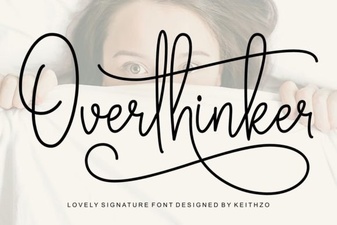 Overthinker Font: the Designer's Ultimate Tool
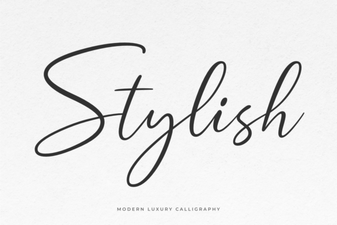 Stylish Font Designs for Your Creative Projects
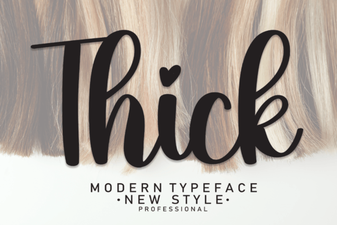 Design Projects with Bold Thick Fonts
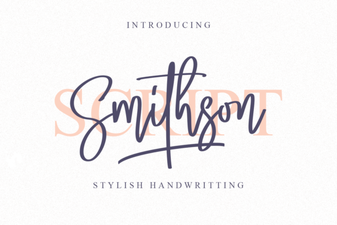 Smithson Font: Free Serif Style for Modern Designs
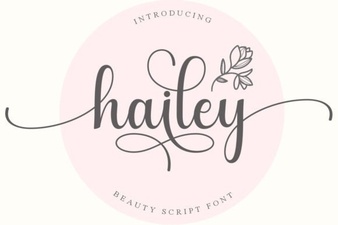 Hailey Font: Creative Styles for Modern Projects
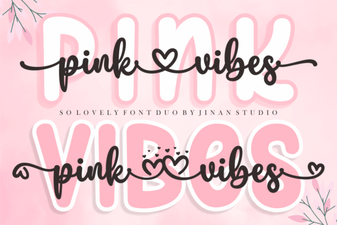 Pink Vibes Duo Font for Creative Designs