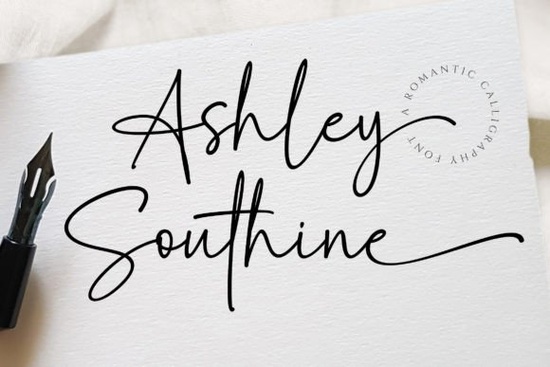
If you need a typeface that feels hand-written but keeps a clean structure, Ashley Southine Font delivers exactly that. This handwritten script balances relaxed curves with careful spacing, making it a reliable choice for wedding stationery, boutique branding, greeting cards, and print-on-demand products. Instead of looking stiff, the letters carry subtle variations that mimic real pen strokes, helping your designs feel personal and approachable.
What makes this script font stand out?
Most decorative scripts struggle with readability at smaller sizes. Ashley Southine avoids that trap by keeping the x-height generous and the swashes controlled. Lowercase letters flow naturally, while uppercase characters add just enough contrast to anchor headings. You will notice small imperfections in the curves that actually work in your favor, creating a warm, handcrafted vibe that resonates with customers looking for authenticity.
For crafters and small business owners, that human touch matters. When designing labels, packaging, or social graphics, the right typeface quietly communicates your brand values. This font stays legible while offering enough personality to stand out without overwhelming the layout.
Which projects work best with a handwritten style?
Script fonts shine when given room to breathe. Ashley Southine works particularly well for:
- Wedding invitations, save-the-dates, and seating charts that need a refined but relaxed tone
- Greeting cards and seasonal prints where a personal message takes center stage
- Brand logos and wordmarks for boutiques, photographers, and lifestyle creators
- Print-on-demand merchandise like tote bags, mugs, and apparel that benefit from a soft aesthetic
If you are exploring other handwritten options for a broader brand system, compare how this style interacts with different moods. A playful project could benefit from the casual rhythm found in a loose, everyday script, while a minimalist brand might lean toward a cleaner, modern calligraphy style. Testing variations side by side usually reveals which flow matches your vision.
How do I pair it with other typefaces?
Pairing a script is simpler than most designers expect. Let the handwritten typeface handle the emotional weight while a neutral sans-serif or serif handles the heavy reading. Use it for short headlines or accent phrases, then switch to a straightforward font for body copy and contact details.
When you need a secondary script for subheadings, look for different stroke contrast. A bouncy lettering style like a duo script with alternating weights creates visual hierarchy without competing. For elegant editorial work, a refined, high-contrast script complements softer curves. For romantic branding, a delicate, flowing alternative works well as a backup for longer quotes.
You can preview how Ashley Southine Font looks alongside your existing assets before committing to a layout. Most design software lets you toggle typefaces quickly, so test line height and color contrast early.
What should I know before installing and using it?
Handwritten scripts often include alternates and ligatures that only activate when your software supports OpenType features. Programs like Illustrator, Affinity Designer, and Cricut Design Space handle these differently. If you want the full range of stylistic options, work in an application that allows glyph panel access.
Keep these practical tips in mind as you set up your files:
- Check the license before using the font on commercial products, especially for templates or merchandise.
- Adjust tracking sparingly. Script fonts are designed to connect naturally. Adding too much letter spacing breaks the flow.
- Use high-contrast backgrounds. Light script text on busy patterns will disappear. Stick to solids or subtle textures.
- Export as outlines when sending files to printers or clients who may not have the font installed.
Installation is straightforward on both Windows and Mac. Once added to your system folder, restart your design software so the typeface appears in your menu. For cutting machines or web editors, upload the OTF or TTF file directly through the platform’s font manager.
Quick next steps before you start designing:
- Install the font and restart your design application.
- Open the glyph panel to test alternates and swashes.
- Type your main headline and adjust line height until ascenders and descenders clear comfortably.
- Pair it with a simple sans-serif for body text and check readability at 50% zoom.
- Export a test print or mockup to verify how the strokes render on your chosen material.
Run through this checklist to avoid common layout mistakes and keep your files production-ready.
Learn More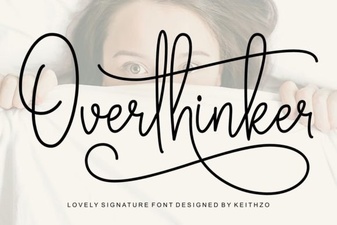 Overthinker Font: the Designer's Ultimate Tool
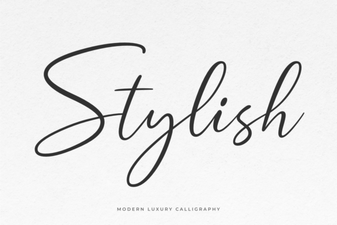 Stylish Font Designs for Your Creative Projects
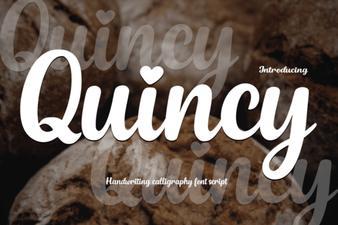 Quincy Font: Creative Design for Modern Projects
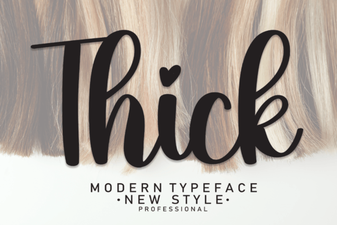 Design Projects with Bold Thick Fonts
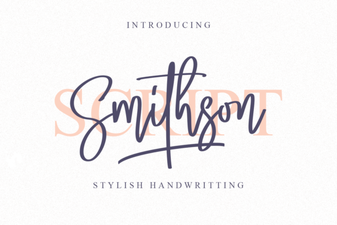 Smithson Font: Free Serif Style for Modern Designs
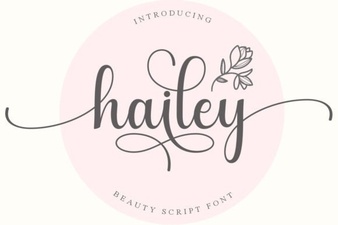 Hailey Font: Creative Styles for Modern Projects