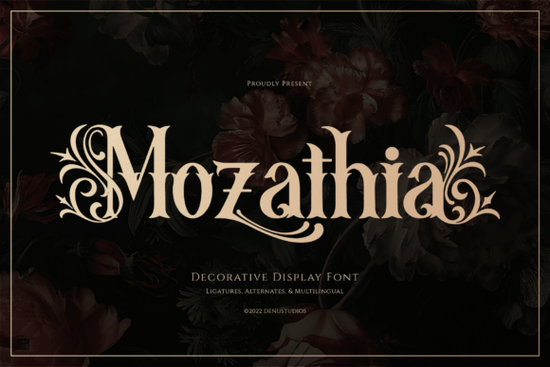
If you need a typeface that blends gothic architecture with vintage calligraphy, Mozathia Font delivers exactly that. It is a decorative display font built for projects that require a dark, romantic, or baroque aesthetic without sacrificing readability. Designers, print-on-demand sellers, and small business owners typically choose this style when they want their branding to feel theatrical, historical, or slightly mystical.
What makes this typeface stand out for dark or vintage projects?
The letterforms rest on strong structural stems that give the text a grounded presence. Instead of soft edges, you will notice sharp, dagger-like serifs that create a clear historical reference. The detailed work happens at the terminals, where vine-like floral swashes and classical flourishes extend outward. These ornamental accents follow traditional calligraphic rules, which keeps layouts from feeling cluttered. A slight increase in tracking usually helps the flourishes breathe, especially on textured backgrounds like aged paper or heavy cardstock.
Which design projects work best with these letterforms?
Because of its baroque weight and sharp detailing, this typeface works best as a focal point rather than body copy. It is engineered for display use, making it a reliable choice for several creative markets:
- Dark fantasy book covers where the title needs a cinematic feel
- Vintage winery and craft distillery labels that require a premium aesthetic
- Gothic apparel branding printed on heavy cotton or distressed materials
- Tarot decks and mystical merchandise that rely on ornamental typography
- Tattoo studio logos where sharp serifs match traditional ink styles
For print-on-demand sellers, the font translates well to screen printing and foil stamping. The thick stems hold up during production, while the thinner swashes remain crisp as long as you avoid extremely small sizes. Always test a mockup at actual scale before sending files to print, since decorative terminals can get lost on reflective surfaces.
How do you pair and format decorative blackletter styles?
Highly stylized display fonts need breathing room and simple supporting type. Pair this lettering with a clean sans serif or a lightweight geometric font for subtitles, ingredients lists, or website navigation. When setting up your files, convert the text to outlines only after finalizing spacing. This preserves the exact shape of the swashes and prevents missing glyph errors. If you are building a broader branding kit or want to browse similar gothic typefaces that share this historical weight, look for families that offer consistent x-heights and matching punctuation sets.
What should you verify before adding it to your workflow?
Before downloading any decorative font, check the file formats and licensing terms for your specific use case. Most professional display fonts include OTF and TTF files, which work across Adobe Creative Cloud, Affinity, Canva, and standard design programs. If you plan to sell physical products or digital templates, make sure your license covers commercial distribution. Some platforms require an extended license for items where typography is the main selling point. For current licensing details and file options, you can search for Mozathia directly on the marketplace.
Quick setup checklist for your next layout
Keep this short list nearby when you start arranging your designs. It covers the most common adjustments needed when working with heavily decorated display type.
- Set the font size to 36pt or larger to keep the serifs and swashes crisp.
- Increase letter spacing by 10 to 25 units so the ornamental terminals do not overlap.
- Pair with a neutral sans serif for all supporting text and fine print.
- Test print on your actual material before finalizing production runs.
- Confirm your commercial license covers your specific product type.
- Save one editable file and a second version with outlined paths for printers.
Start with a single headline, adjust the tracking until the flourishes sit cleanly, and build the rest of your layout around that focal point. When you give decorative lettering enough space and pair it with simple supporting elements, your final design will look intentional and ready for production.
Explore Design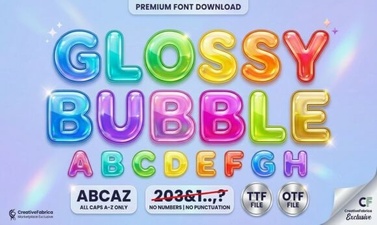 Get Creative with Glossy Bubble Fonts
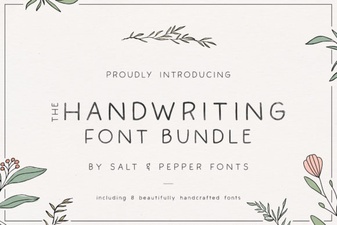 Craft Authentic Projects with Handwriting Fonts
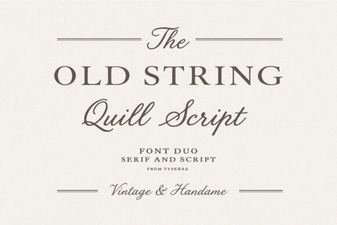 Old String Font Designs for Modern Creativity
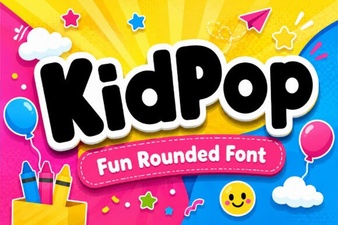 Kidpop Fonts: Playful Designs for Creative Projects
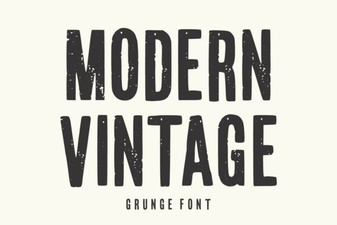 Modern Vintage Fonts for Creative Design Projects
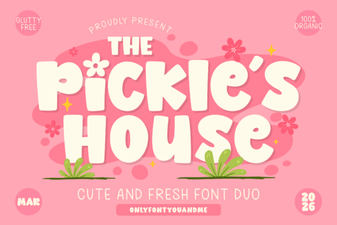 Design with the Pickles House Font