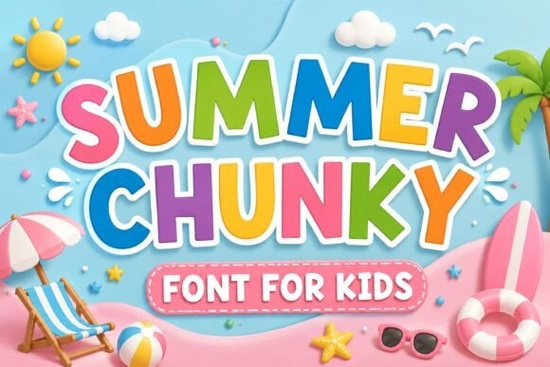
If you need a typeface that instantly communicates warmth, playfulness, and seasonal energy, Summer Chunky Font delivers exactly that. Built with thick, rounded letterforms and a cartoon-style bounce, it reads clearly at larger sizes while keeping a lighthearted mood. Designers, crafters, and print-on-demand sellers often reach for this style when they want summer-themed graphics, kids’ merchandise, or upbeat social media posts to feel approachable rather than overly polished.
What makes this font work for summer and kids projects?
The heavy strokes and soft curves mimic hand-drawn signage you might see at a beach boardwalk or a neighborhood lemonade stand. That visual familiarity helps audiences connect quickly, especially when you are targeting parents, teachers, or young shoppers. Because the characters are wide and evenly spaced, readability stays strong on tote bags, stickers, and party invitations. You will notice that the uppercase letters carry most of the visual weight, which makes them ideal for short headlines, product names, or event titles. When you keep the text brief and let the negative space breathe, the playful personality shines without overwhelming the rest of your layout.
How do I pair it with other typefaces without cluttering my layout?
Display fonts with this much character work best when they share the page with quieter, neutral typefaces. A clean sans serif for body copy or a simple monoline script for small accents will balance the bold shapes nicely. If you are building a seasonal collection and want to explore similar moods, you might browse options like retro-inspired display styles or friendly handwritten alternatives to create variety across different products. For children’s books or classroom materials, pairing this font with youthful companion typefaces keeps the theme consistent while preventing visual fatigue. When you need a softer seasonal touch, gentle schoolhouse lettering can tone down the energy for more relaxed designs. And if your project leans toward playful illustrations or holiday graphics, rounded novelty fonts often complement chunky styles without competing for attention.
Which file formats and licenses should I check before downloading?
Before you add any font to your workflow, verify that the package includes the formats your software supports. Most modern design programs run smoothly with OTF or TTF files, while web projects may require WOFF versions. If you plan to sell physical items or digital templates, read the commercial license carefully. Some creators allow unlimited personal use but require an upgraded license for print-on-demand platforms, Etsy shops, or client work. Keep a copy of your license receipt in your project folder, especially if you submit designs to marketplaces that request proof of commercial rights. Checking these details upfront saves time and prevents listing takedowns later.
Where does it perform best in real-world designs?
This style thrives in short, high-impact applications. Think product packaging labels, Instagram story headers, camp flyers, and kids’ apparel graphics. The thick strokes hold up well on screen printing and vinyl cutting, which makes it a reliable choice for Cricut or Silhouette projects. When you adjust the tracking slightly wider, the letters separate cleanly and reduce ink bleed on fabric or textured paper. For digital mockups, drop a subtle offset shadow or a thin white stroke behind the text to improve contrast against busy summer backgrounds like watercolor waves or tropical leaves. Remember to test your final export at actual size. A font that looks crisp on a retina display can lose detail when printed on a matte sticker or a cotton t-shirt, so a quick test print or platform preview is always worth the extra minute.
Before you finalize your next summer or kids-themed project, run through this quick checklist:
- Confirm the font file matches your design software (OTF/TTF for desktop, WOFF for web)
- Keep headlines under six words for maximum readability
- Pair with a neutral sans serif or light script for supporting text
- Adjust letter spacing slightly wider for print and cut files
- Verify your commercial license covers your intended sales channel
- Export a test proof at 100% scale to check edge clarity and contrast
If everything lines up, you are ready to publish, print, or list your design with confidence.
Try It Free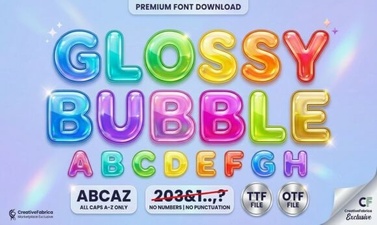 Get Creative with Glossy Bubble Fonts
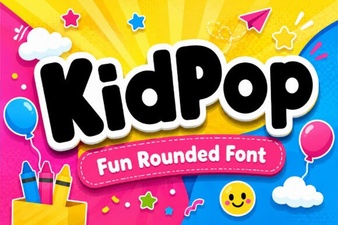 Kidpop Fonts: Playful Designs for Creative Projects
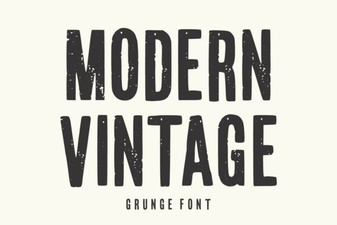 Modern Vintage Fonts for Creative Design Projects
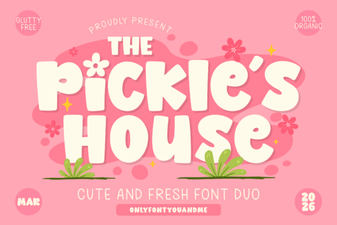 Design with the Pickles House Font
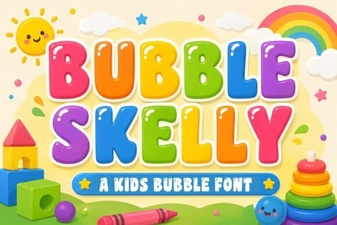 The Bubble Skelly Font for Creative Designs
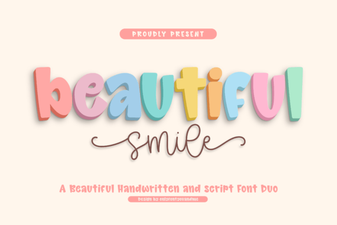 Beautiful Smile Fonts for Designers & Creatives