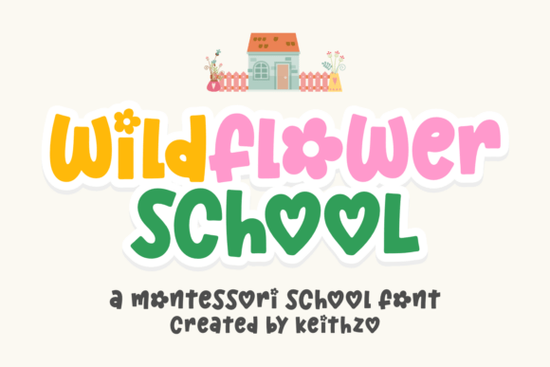
If you need a typeface that feels hand-drawn but still cuts cleanly and reads well at small sizes, Wildflower School Font is built exactly for that balance. It mixes organic strokes with steady spacing, so your layouts stay friendly without looking messy. Designers, teachers, and crafters often struggle to find playful lettering that holds up on screen and print. This family solves that by keeping character shapes open and weight consistent, which matters for worksheets, toddler branding, or vinyl decals.
Why does it work so well for classroom and kids projects?
Children’s materials need letters that are easy to recognize. The typeface uses clear counters and gentle curves that mirror early handwriting practice. Rounded terminals and a relaxed baseline give it a warm feel, making it a natural fit for nursery art, storybook covers, and learning printables. Because the spacing is professionally tuned, you can set longer paragraphs without crowding. If you are building reading trackers or teacher planners, the text stays light and readable. It also handles capitalization well, so mixing title case and all caps won’t create visual noise.
How does it handle cutting machines and DIY materials?
Not every display typeface survives the weeding process. Thin spots and overlapping paths often tear vinyl or leave jagged cardstock edges. This family is optimized for smooth cutting in Cricut and Silhouette software, meaning fewer broken strokes and less node editing. The solid weight distribution helps it adhere cleanly to water bottles, tote bags, and scrapbook pages. When layering heat transfer vinyl or making custom stamps, the outlines translate to crisp results. You can resize it for small labels or large banners without losing character. Just weld or attach your letters in your cutting software before sending to the mat.
Is it practical for print-on-demand and small business branding?
Yes, especially for family-friendly shops. The font scales nicely for t-shirt graphics, invitations, and digital stickers. Its playful tone works across merchandise without looking childish, fitting toddler apparel, toy packaging, or blog headers. Consistency matters when building a brand, and keeping one reliable display family speeds up mockup creation. Always verify commercial license terms before listing finished goods, and keep your source files organized so you can swap styles quickly during peak sales seasons.
What should I pair it with for balanced designs?
A handwritten display font shines best with a quiet partner. Use a simple sans serif for body text so the playful letters remain the focal point. If you want to test other cheerful accents, browse a rounded style like this bubble-inspired typeface for party graphics, or try a lighter kid-friendly alternative when you need restraint. For seasonal collections, a thicker summer option adds weight to sale banners, while a breezy script companion fits beach tote mockups. When you want a softer vibe for cards, this gentle display choice pairs nicely without competing.
Which file formats and settings give the best results?
Match the file type to your software for smooth workflows. Use OTF or TTF files for Canva, Illustrator, or InDesign. Convert text to outlines before cutting so machines read exact paths instead of live font data. Export digital products as transparent PNGs to preserve soft edges. You can preview the full character set and grab the latest files for Wildflower School Font before starting your layout. Testing a few sample words at your intended print size prevents reworks later.
Run through this quick setup checklist before printing or cutting:
- Convert all text to outlines to lock spacing and prevent missing font errors.
- Check contrast ratios when placing letters over patterned backgrounds.
- Run a small test cut on scrap vinyl to verify blade pressure and weeding difficulty.
- Save a master editable file separately from your final exported PNG or SVG.
- Review license details for commercial use, especially for digital templates.
Start with a short phrase, adjust tracking slightly if letters feel tight, and let the natural curves do the work. Your next project will look polished and ready to share.
Download Now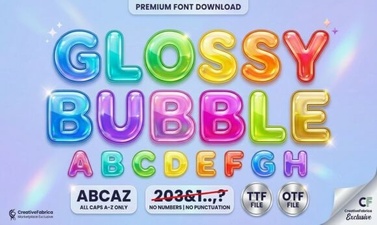 Get Creative with Glossy Bubble Fonts
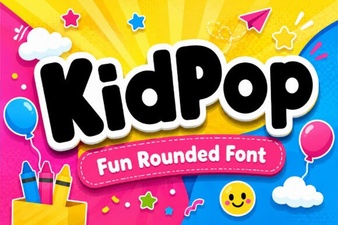 Kidpop Fonts: Playful Designs for Creative Projects
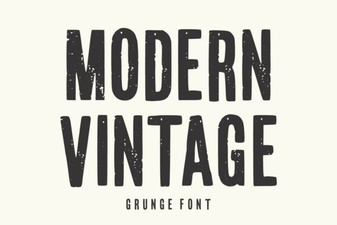 Modern Vintage Fonts for Creative Design Projects
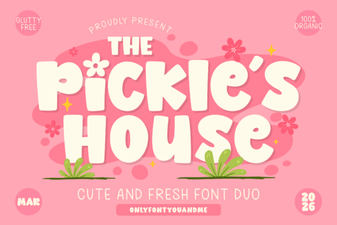 Design with the Pickles House Font
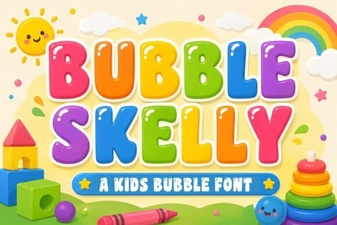 The Bubble Skelly Font for Creative Designs
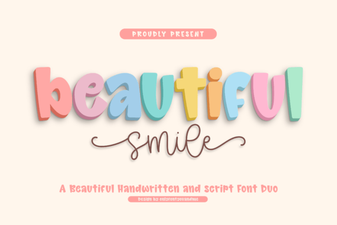 Beautiful Smile Fonts for Designers & Creatives